Pass the Remote, Not the Verdict: Shared-Sofa Rules for Telly Therapy

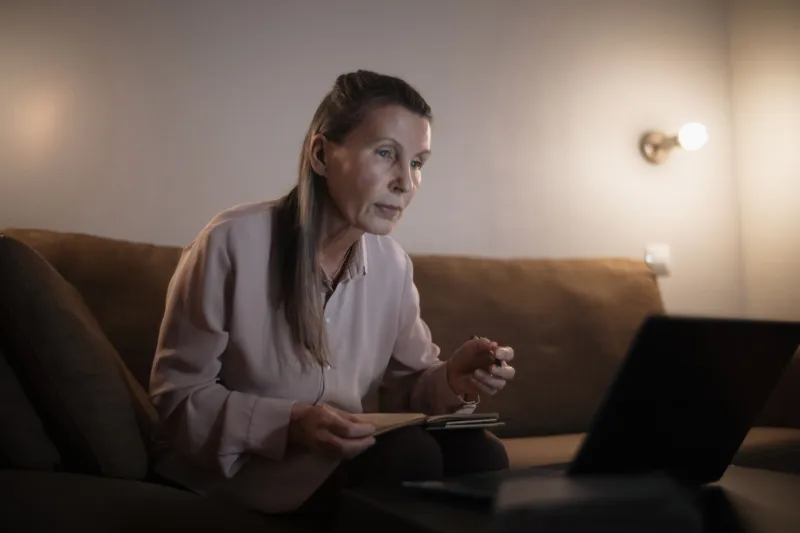
Photo: Miguel Pires da Rosa from Braga, Portugal, CC BY-SA 2.0, via Wikimedia Commons
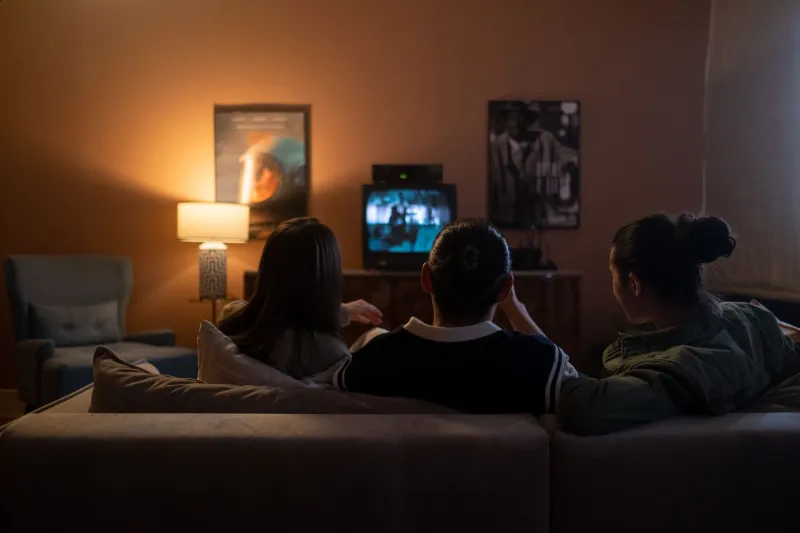
There is a particular kind of silence that falls over a British living room when two people are watching advice-led telly and one of them reaches for the remote. It is not quite tension. It is not quite peace. It is the sound of a small, unspoken negotiation beginning — the same one that has been happening on sofas up and down the country since the first couple argued over whether to pause a tearful reunion to put the kettle on.
We talk a lot about what happens on screen in telly therapy. We talk less about what happens on the sofa. But the shared viewing session is its own relationship test: who holds the remote, who calls the pause, who vetoes the next episode, and who quietly keeps score. These are not trivial questions. They are control, compromise and consent in miniature, played out against a backdrop of dramatic music and a narrator asking whether someone is finally ready to be honest.
The remote is never just a remote
In theory, the remote is a plastic rectangle. In practice, it is a small staff of office. Whoever holds it controls the pace of the evening, the volume of the confessions and the speed at which the next emotional revelation arrives. One viewer I spoke to described her partner as a ‘benevolent dictator with the pause button’ — always willing to stop for tea, never willing to stop for a debrief. Another said the remote lives in the cushion crease between them, which sounds romantic until you realise it means neither of them can find it when the good bit starts.
The micro-politics are revealing. If one person pauses constantly to comment, they are saying: my reactions matter in real time. If the other person never pauses, they are saying: let the thing unfold. If someone reaches over and takes the remote without asking, the room notices. It is not about the telly. It is about whose comfort gets prioritised when the emotional temperature rises.
A relationship counsellor would call this boundaries. The rest of us call it who’s got the remote. Either way, the lesson is the same: small negotiations are not small. They are rehearsal for the bigger ones.
Pause is a request, not a command
The pause button is where shared telly therapy gets genuinely interesting. One person wants to freeze the frame and ask, ‘Did you see that?’. The other wants to keep going and process it afterwards. Both are valid. Neither is obviously wrong. The trouble starts when the pause becomes a demand — when one person’s need to discuss becomes another person’s obligation to perform attention on cue.
In 2026, we are more comfortable than ever with the language of consent and checking in. Yet we still sometimes treat the living room as a place where those rules switch off. They should not. Asking ‘can I pause for a sec?’ is not fussy. It is basic shared-sofa manners. Equally, answering ‘give me five minutes and then we’ll talk about it’ is not rejection. It is honest pacing.
The funniest rows are rarely about the big stuff. They are about the pause that lasted too long, the snack break that missed a crucial admission, or the person who rewound three times to prove a point about body language. Telly therapy invites us to read between the lines. Shared viewing invites us to read between the pauses.
The veto is not a verdict on your taste
Then there is the next-episode veto. You finish one and the credits roll. Someone says, ‘Shall we do another?’ and the room divides. One person is ready for more emotional excavation. The other has reached their limit and would like to watch something where nobody says ‘I hear you’ while holding a cushion.
A veto can feel personal if you let it. It is not. It is information. It says: I am tired, or full, or not ready for another hour of somebody else’s family dynamics. The mature move is to accept the veto without turning it into a referendum on the show, the relationship or the future of the evening. The less mature move — which many of us have perfected — is to sigh theatrically and say, ‘Fine, but you owe me.’
In shared-sofa therapy sessions, the veto is actually a healthy thing. It is a brake. It stops one person’s enthusiasm from steamrolling the other’s capacity. Consent is not just about the big yes. It is also about the gentle no to one more episode when the clock is edging towards midnight and everyone has work in the morning.
The shared-sofa treaty: a tongue-in-cheek checklist
Every household will write its own rules, but here is a starting draft for anyone negotiating the remote-control treaty in 2026.
- Article one: the remote is a shared instrument. No one owns it. No one hides it. No one uses it to make a point during an argument about something else.
- Article two: pause requires a second. If you want to stop the action, say why. ‘Can I pause?’ is always better than freezing the screen and waiting for the room to catch up.
- Article three: veto is not a moral judgement. Saying no to another episode is allowed. Saying no to the entire show is a separate conversation, preferably held over a cup of tea and not during the closing credits.
- Article four: snack diplomacy counts. Offering to make the tea before pressing play is a peace treaty in itself. It says: I am thinking about your comfort, not just my need to know what happens next.
- Article five: the debrief is optional. Some people need to talk it out immediately. Some need to sit with it. Both are fine. Do not force a post-episode analysis on someone who is still processing.
- Article six: the right to leave the room is sacred. If someone needs a break from the emotional intensity, they are not abandoning the relationship. They are regulating themselves. Let them go.
- Article seven: no weaponising the rewind. Going back to prove you were right about a facial expression is not therapy. It is evidence-gathering. Keep it light or keep it to yourself.
What the remote really reveals
The remote-control treaty is a bit of a joke, but the questions underneath it are serious. Who gets to control the pace of a shared experience? Who gets to say stop? How do two people with different needs share a sofa without one of them quietly resenting the other?
Telly therapy gives us a language for all of this. It teaches us to notice the pause, the tone, the moment someone says ‘I’m fine’ when they are not. The shared viewing session is a chance to practise those skills in real life — not as a counsellor, not as a judge, but as someone who is willing to ask, ‘Do you want to talk about this now, or shall we just watch?’
And if all else fails, there is always the oldest treaty of all: you get the remote tonight, I get it tomorrow. It is not perfect. It is not deep. But it is a start.