The Power of the Pause: Six Telly Moments Where Britain Said More by Saying Less
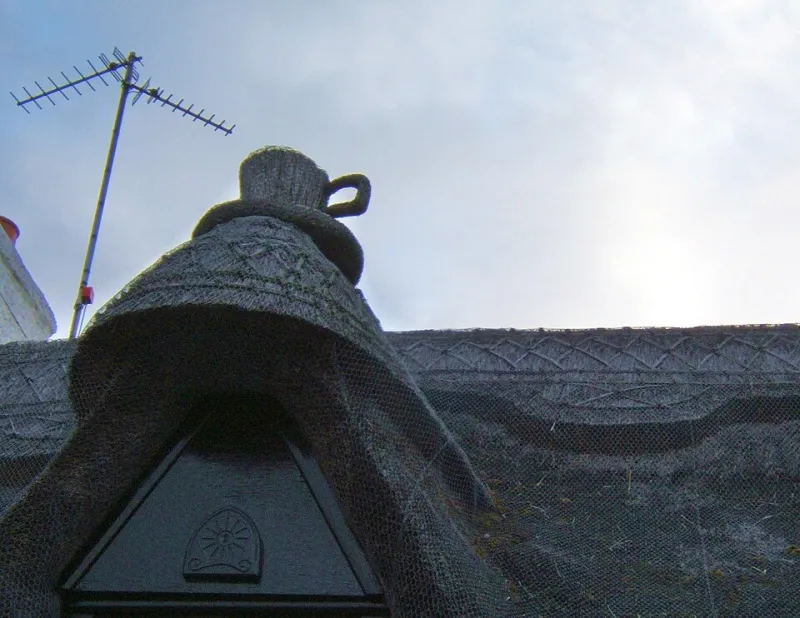
Photo: Barbara Carr , CC BY-SA 2.0, via Wikimedia Commons
British telly advice has a reputation for straight talk, but some of its most powerful moments are the ones where nobody says much at all. In 2026, our screens are full of therapy speak, confrontational format twists and contestants being asked to name their attachment style before the first ad break. Yet the moments that linger tend to be quieter: a kettle clicking on, a hand hovering over a shoulder, a presenter waiting an extra three seconds instead of filling the gap.
Here at Dr Phil UK, we have been thinking about restraint as a telly tool. Not because British audiences are emotionally constipated — although the stereotype has legs — but because silence on screen can do something a diagnosis cannot. It gives the person in the chair room to breathe. Below are six British telly moments that understood this, plus a counsellor's take on what all that awkwardness actually means.
1. The Long Lost Family reunion that let the silence do the talking
Long Lost Family has been quietly doing emotional heavy lifting for years. The format is simple: people searching for relatives, a tissue box, and presenters who resist the urge to narrate every feeling. The most powerful scenes are often the ones where nobody speaks for what feels like a full minute. The camera stays. The person cries. Someone eventually says something deeply British, like 'sorry' or 'I don't know what to say'.
A UK counsellor I asked about this said the silence functions as co-regulation. It signals that the emotion is not too big for the room. In a culture where we often apologise for crying, that is no small thing.
2. The Repair Shop tissue moment
The Repair Shop is not technically an advice show, but it has become one of the most therapeutic hours on British telly. A guest brings in a battered object. An expert restores it. Everyone cries. Jay Blades does not usually offer a five-point plan for grief. He makes tea, asks a gentle question, and lets the craftsmanship do the talking.
That is the British emotional style in miniature: practical care instead of verbal analysis. The message is not 'let's unpack that'. It is 'I've fixed your dad's record player, now have a biscuit'. There is something deeply soothing about that, even if it drives therapy-speak fans up the wall.
3. First Dates and the holy awkward pause
First Dates has given us many things, but its greatest gift is the pause. Fred Sirieix checks in. A daters says something vulnerable. The other person freezes. The silence stretches. In a US-style format, a producer might cue dramatic music. On First Dates, we just watch two people try not to die inside.
What looks like awkwardness is often the most honest part of the show. The counsellor I spoke to noted that British audiences are expert readers of the unspoken. We know when someone is being polite rather than keen. We know the difference between a pause and a rejection. The show trusts us to feel it.
4. Gogglebox and the art of understatement
Gogglebox is not an advice programme, but it is a masterclass in British coping. A family watches a devastating scene. Someone says, 'bit sad, that'. The kettle goes on. The remote stays in hand. Nobody offers a diagnosis or a hot take about trauma responses.
In 2026, when every clip seems to arrive with a therapist's voiceover, this feels almost radical. Understatement is not the same as avoidance. Sometimes it is a way of letting an emotion land without turning it into a seminar. As one counsellor put it to me, not every feeling needs a label. Some just need a cup of tea and a bit of time.
5. Educating Yorkshire and the stammer assembly
This one is genuine telly history. When Musharaf Asghar gave his assembly speech in 2013, the teachers and classmates did not rush in with a therapy framework. They waited. The pause was agonising. The support was quiet. And the moment became one of the most remembered scenes in British factual TV.
What made it land was the restraint. Nobody told him to 'reframe' his anxiety. They just stood with him. In 2026, that clip still circulates because it shows something our loudest advice culture often misses: sometimes the most supportive thing you can do is stay in the room and not fill the silence.
6. The Great British Bake Off tent wobble
Bake Off is not a counselling session, but the tent has hosted some of the most tender moments on British telly. A contestant cracks under pressure. Noel Fielding makes a gentle joke. Prue and Paul wait. Nobody asks for a trauma timeline.
The show understands that practical comfort — a hug, a joke, a piece of cake — can be its own kind of care. It is not a replacement for therapy. But it is a reminder that British telly often prefers the kitchen-table approach to the clinic couch.
What a counsellor says about all this restraint
When I asked a BACP-registered counsellor about the British love of silence, tea and understatement, she was careful not to romanticise it. Restraint can be a form of respect. It can also be a way of avoiding a difficult conversation. The difference, she said, is whether the silence is holding someone or shutting them down.
That feels like the right note for 2026. We are living through a therapy-speak boom, where every reality show contestant seems to have a working knowledge of attachment theory. That has its upsides. But the British telly moments that endure often do something simpler: they make space. They do not rush to explain. They let the kettle boil.
In a culture that is still deeply uncomfortable with big feelings, that might be the most British therapy of all. Not a diagnosis. Just a pause, a cup of tea, and someone who stays.