Biscuits Before Breakthroughs: Why Telly Therapy Has Pulled Up a Chair to the Kitchen Table
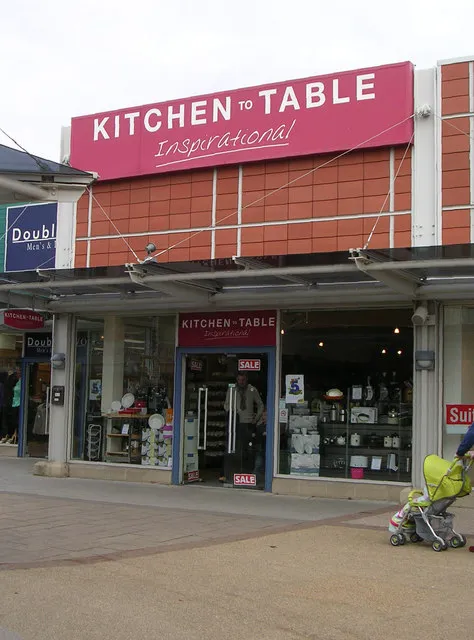
Photo: Betty Longbottom, CC BY-SA 2.0, via Wikimedia Commons
The therapy sofa is out. The kitchen table is in. Somewhere between the glossy clinic set and the junk-shop mug, British advice telly has found a new place to have a feelings conversation: a wooden table, two chairs, a pot of tea and a plate of biscuits that nobody actually eats. In 2026, this is the dominant aesthetic of the UK's advice-led formats. The presenter leans in, the guest cradles a mug, and the whole thing is meant to feel like a chat in someone's back kitchen. It is cosy, it is clever, and it is not entirely honest.
The Kettle as Icebreaker
The kitchen table works because it understands a basic British rule: nobody opens up until the kettle boils. We are a nation that will discuss a bereavement only after offering a brew and a Hobnob. The therapy sofa says 'clinic'. The kitchen table says 'we're just having a natter'. For guests who would never dream of sitting on a counsellor's couch, that distinction is not cosmetic. It lowers the threshold. It gives them something to do with their hands. It lets the presenter ask a hard question while passing the sugar, which is somehow less terrifying than asking it across a glass coffee table.
There is also a class signal in the staging, and it is doing more work than the show might admit. A scrubbed pine table and a striped mug say 'ordinary'. A stainless-steel clinic and a leather chair say 'expensive'. The kitchen table is a way for telly to borrow the credibility of the everyday. Sometimes that is genuine. Sometimes it is a costume.
Cosy Staging, Hard Questions
The risk is that the cosiness softens the advice until it stops being advice. If the presenter is too matey, the challenge gets lost. 'Can I be honest with you?' over a custard cream can turn into collusion. The mug becomes a shield. The biscuit becomes a pause button. The guest gets sympathy, but not a plan. That is not therapy; it is a nice chat with a camera in the corner.
But the opposite is not automatically better. The old confrontational style — the raised eyebrow, the ambush, the 'let's bring out your ex' — was not exactly a model of care either. The kitchen table can be a Trojan horse for real talk. The best presenters use the domestic setting to disarm, then ask the question that actually matters. The mug is not the method. It is the doorway.
Class, Manners and the British Flinch
The kitchen table also taps into a very British suspicion of anything that looks like therapy. We like our advice with a side of self-deprecation. We like the idea that we are not being diagnosed, just advised. The format says: no clipboards, no jargon, no clinical distance. Just a cuppa and a crisis.
That can be a strength, but it can also be a dodge. If the staging is so determinedly ordinary that expertise becomes embarrassing, the guest may leave with warmth but without tools. British telly has a long history of mistaking good manners for good outcomes. The kitchen table can flatter the viewer — 'we're all just muddling through' — while quietly letting the production off the hook.
What the Format Gets Right
For all that, the kitchen table gets something important right. It gives guests agency. They can hold a mug, look away, take a sip, gather themselves. The set does not demand eye contact. It allows silence to look like a pause rather than a failure. It also suits the way we actually talk about feelings in this country: sideways, over food, with a joke at the edge of the sentence.
And in a media landscape built on short clips, it is very good telly. Steam rising from a mug, a biscuit halfway to a mouth, a tear that arrives just after the presenter says 'take your time'. It is intimate without being clinical. It is also, inevitably, a bit of a performance.
The Verdict
Does the kitchen table make hard advice feel softer, or just more evasive? The honest answer is both. It can lower the temperature enough for a real conversation to happen. It can also lower it so much that nothing difficult ever gets said. The difference is not the furniture. It is whether the presenter is willing to use the cosiness as a bridge or as a hiding place.
In 2026, the kitchen table is telly's favourite room. But a mug is not a methodology. If the format wants to be more than set dressing, it needs to keep the warmth and add the rigour. The kettle can boil. The advice still has to land.